
Grandes núcleos de transformadores de potência devem transportar simultaneamente fluxo magnético, suportar forças de fixação mecânicas e rejeitar o calor gerado internamente. Quando o calor fica...
LEIA MAIS
pt
Pesquisar
Entre em Contato


Fabricante de Linhas de Corte de Aço Silício
Contate-NosSobre nós
Jiangsu Jingtianxia Electric Technology Co., Ltd.
Jiangsu Jingtianxia Electric Technology Co., Ltd. é uma empresa líder e competitiva no setor doméstico, especializada em P&D, produção e fornecimento de produtos de suporte de energia de núcleo. Nosso principal portfólio de produtos abrange núcleos de transformadores, equipamentos inteligentes de empilhamento de núcleos de transformadores, máquinas de corte transversal de núcleos, sistemas inteligentes de armazenamento em oficinas e linhas de produção logística automatizadas. Com mais de 46 talentos técnicos profissionais, a empresa possui sólida acumulação técnica e um sistema de produção maduro. Como China
Fabricante de Linhas de Corte de Aço Silício e
Fábrica Personalizada de Linhas de Corte de Aço Silício, com foco na indústria de energia elétrica, fornecemos continuamente soluções de suporte completas, de alta qualidade, alta precisão e inteligentes para clientes globais.
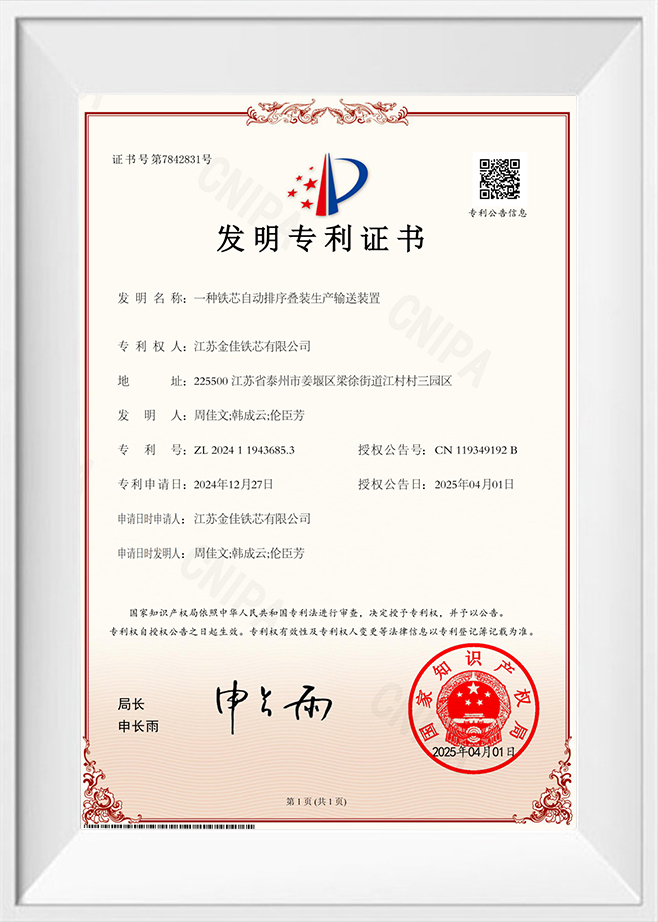
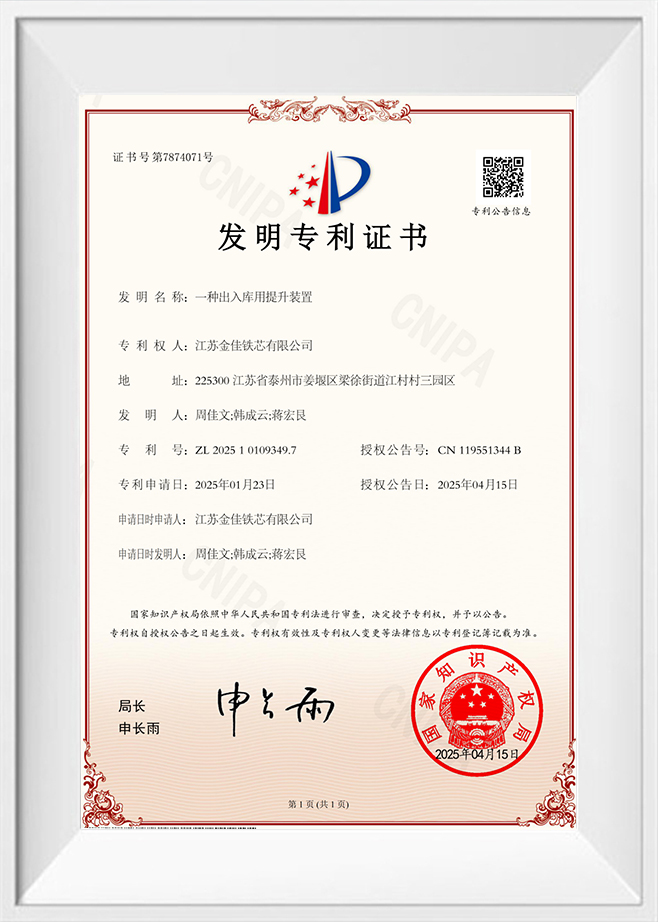
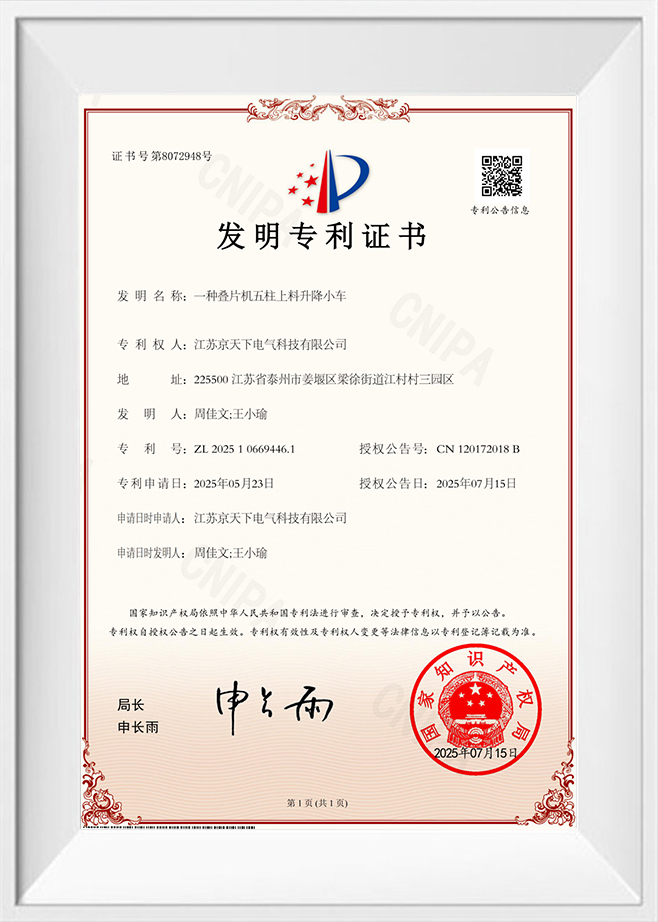
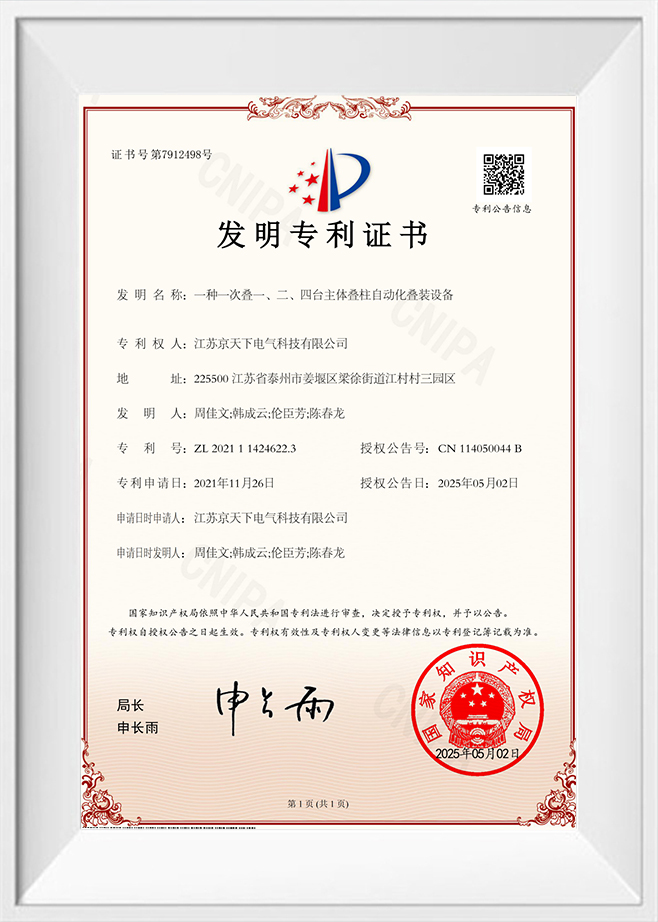
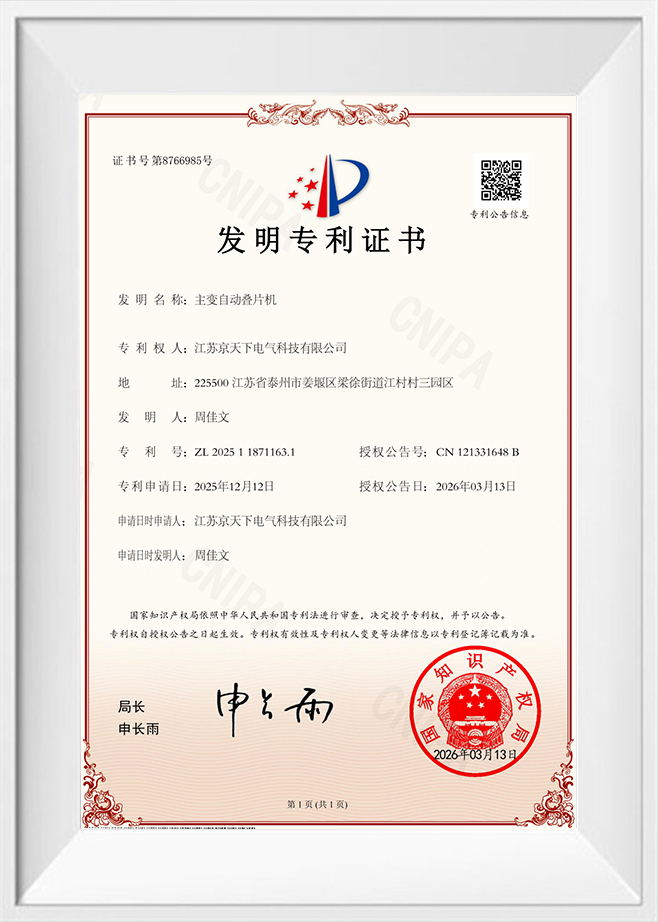
Certificado de Honra
Notícias
-
-
A escolha entre um transformador imerso em óleo e um transformador do tipo seco geralmente começa com o meio de resfriamento: óleo mineral versus ar. No entanto, a história mais profunda da enge...
LEIA MAIS -
Os fabricantes de transformadores enfrentam hoje uma demanda crescente por projetos de núcleos personalizados, tiragens curtas de produção e prototipagem rápida. As linhas convencionais de empil...
LEIA MAIS -
Grandes núcleos de transformadores de potência são construídos a partir de milhares de finas laminações de aço silício. Cada laminação deve ser cortada, posicionada e montada com tolerâncias exa...
LEIA MAIS
Feedback de Mensagem
Linhas de corte sob medida em aço silício Conhecimento do Setor
What Is a Silicon Steel Cut-to-Length Line and How Does It Work?
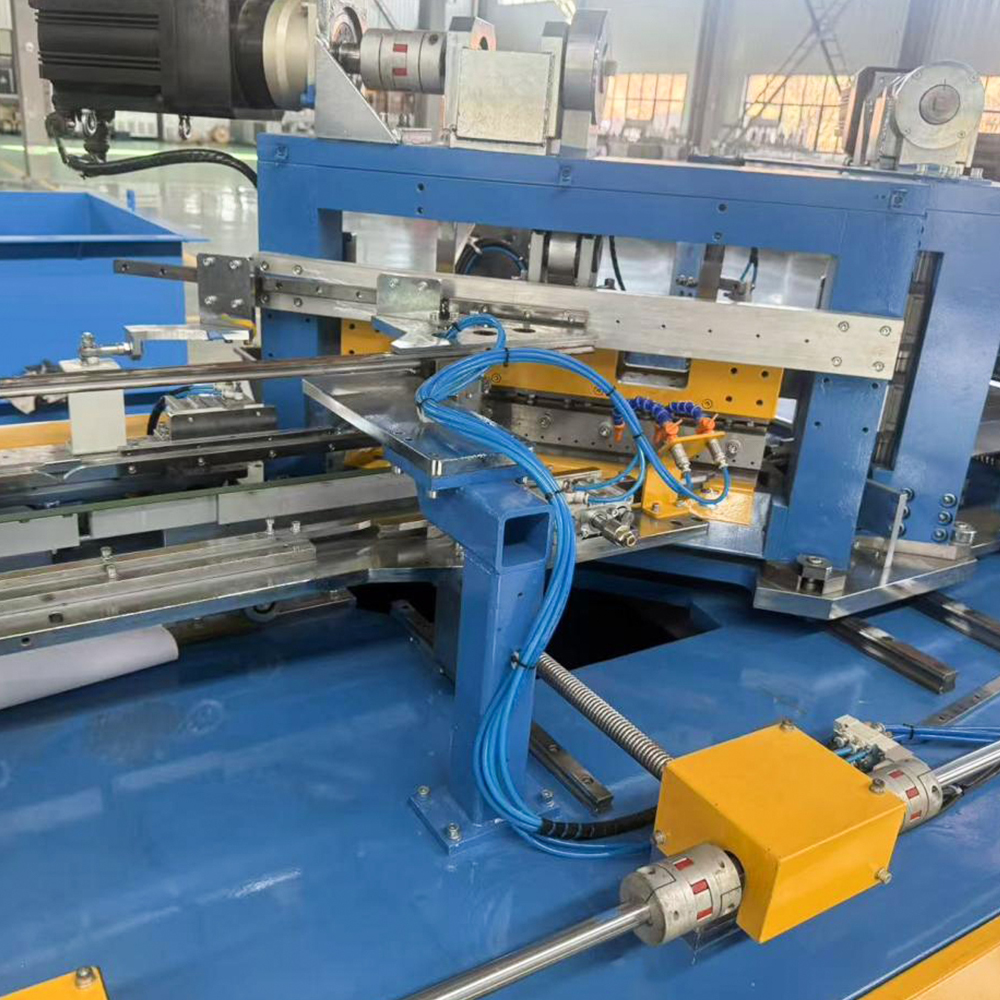
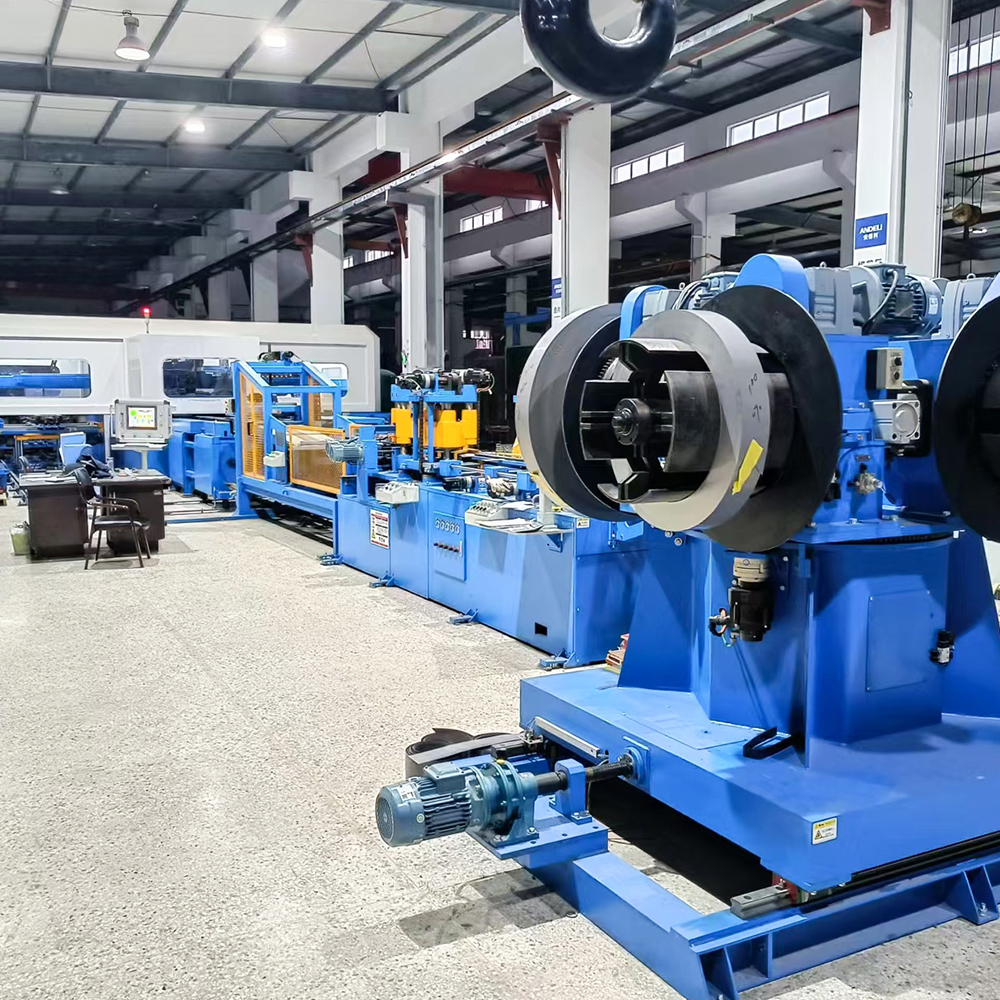
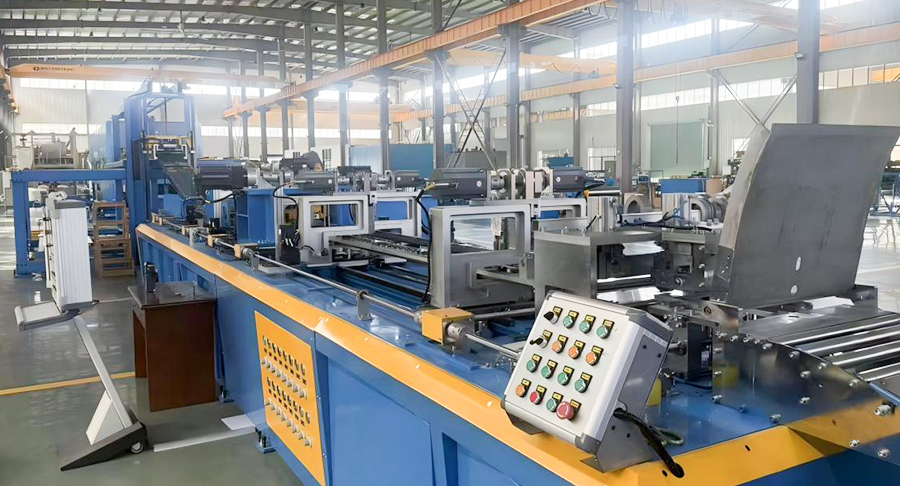
In the modern electrical equipment manufacturing industry, precision and efficiency are paramount. At the heart of transformer and motor production lies a critical piece of equipment: the silicon steel cut-to-length lines. But what exactly is this system, and why is it so indispensable? A silicon steel cut-to-length line is a highly automated production system designed to process large steel coils—specifically, grain-oriented and non-grain-oriented silicon steel—into flat sheets of precise, predetermined lengths. The process involves uncoiling the steel, leveling it to remove any curvature or internal stress, accurately measuring the required length, shearing it cleanly, and finally stacking the finished sheets for further processing into transformer cores or motor laminations.
The core value of silicon steel cut-to-length lines lies in their ability to transform raw, bulky coils into highly precise components. Unlike general-purpose cut-to-length lines, those designed for silicon steel must account for the material's unique magnetic properties and its relatively thin gauge, typically ranging from 0.23 mm to 0.5 mm for high-permeability grades. This equipment is fundamental for manufacturers aiming to produce high-efficiency transformers, as even minute deviations in sheet length or burr height can significantly affect the magnetic performance and energy loss of the final core. Companies like Jiangsu Jingtianxia Electric Technology Co., Ltd. have built their expertise around providing these sophisticated solutions, ensuring that the specific requirements of silicon steel processing are met with engineering excellence.
Core Components and Operational Workflow
To understand how a silicon steel cut-to-length line functions, it is necessary to examine its sequential modules. A typical line follows a logical progression from raw material to finished product:
- Uncoiling and Feeding: The process begins with the loading of a heavy silicon steel coil onto an uncoiler. This unit supports the coil and feeds the strip into the line at a controlled speed.
- Leveling and Straightening: The strip passes through a precision leveler equipped with multiple rollers. This step is critical for eliminating coil set (the memory of the coil's curvature) and ensuring the sheet is perfectly flat, which is essential for accurate cutting and stacking.
- Measuring and Shearing: The flattened strip moves into a measuring unit, typically an AC servo-driven feed system that ensures precise length measurement. Once the required length is reached, a high-speed shear (often a swing shear for transformer lamination production) cuts the strip cleanly.
- Stacking and Packaging: The cut sheets are transported via a conveyor to a stacking unit. This can be a magnetic or pneumatic stacker that automatically aligns and stacks the sheets into neat bundles for easy handling and downstream processing.
Classification and Application-Specific Lines
The term silicon steel cut-to-length lines encompasses a variety of systems, each tailored to specific applications and material characteristics. The primary classification is based on the type of silicon steel processed: Grain-Oriented (CRGO) and Non-Grain Oriented (CRNO).
CRGO Silicon Steel Cut-to-Length Lines
These lines are specifically engineered for processing grain-oriented silicon steel, which is used almost exclusively in the production of power transformer cores. The material's grain structure is aligned to minimize core loss in a specific rolling direction, making precise cutting and handling paramount to preserve these magnetic properties. Jiangsu Jingtianxia Electric Technology Co., Ltd. offers specialized solutions in this category, integrating intelligent stacking features to improve production efficiency.
Key features of CRGO lines:
- High precision cutting with typical length tolerance of ±0.2mm and burr height less than 0.02mm to prevent short circuits in laminations.
- Integration of V-notching and punching units to produce complex step-lap transformer core shapes.
- Lower line speeds (typically up to 180 m/min) compared to general-purpose lines, prioritizing accuracy over throughput.
- Advanced stacking mechanisms to maintain orientation and prevent damage to the delicate edges.
CRNO Silicon Steel Cut-to-Length Lines
Non-grain oriented silicon steel is used in applications where magnetic flux flows in multiple directions, such as in electric motors, generators, and small transformers. Processing CRNO steel often requires handling slightly thicker gauges and prioritizing high-speed production to meet the high-volume demands of the motor industry. Jiangsu Jingtianxia Electric Technology Co., Ltd. applies its robust technical accumulation to design lines that balance speed with acceptable precision for these less demanding electrical applications.
Key features of CRNO lines:
- Often configured for higher line speeds, capable of exceeding 40 meters per minute to boost throughput.
- Ability to handle a broader range of thicknesses and widths, offering more flexibility in production.
- Robust leveling systems to manage potential shape defects common in a wider range of steel qualities.
Transformer Core Cut-to-Length Lines (Specialized Sub-type)
These are a highly specialized evolution of the silicon steel cut-to-length lines, designed to not only cut but also process the sheet into specific lamination shapes. These systems integrate swing shears, punching units, and V-notching dies inline. This integration is a significant value addition, reducing handling and multiple machine setups. The ability to cut, punch, and notch in a single line is a hallmark of modern production efficiency, a segment where companies like Jiangsu Jingtianxia Electric Technology Co., Ltd. excel, leveraging their deep technical knowledge to integrate core stacking equipment directly with the cutting line. This approach is a cornerstone of the one-stop supporting solutions they provide to global customers in the power industry.
| Feature | CRGO Transformer Core Line | CRNO Motor Lamination Line |
| Primary Application | Power Transformers | Electric Motors & Generators |
| Cutting Tolerance | ±0.1mm to ±0.2mm | ±0.5mm |
| Burr Height | ≤ 0.02mm | ≤ 0.05mm |
-
Celular
+86-18351152766
-
E-mail
479279940@qq.com
-
Endereço
Parque No.3, vila de Jiangcun, cidade de Liangxu, distrito de Jiangyan, cidade de Taizhou, província de Jiangsu, China


Copyright © Jiangsu Jingtianxia Electric Technology Co., Ltd. Todos os Direitos Reservados. Soluções Personalizadas de Linhas de Corte de Aço Silício
